
Check Your Hearing Today for Adult, Child and Infants
The first step to hearing better is knowing what you’re actually hearing.
When Hearing Starts to Feel “Not Quite Right”
Delaying a Hearing Test Can Make Things Harder
A Professional Test That Gives You Definitive Answers
What to Expect During Your Hearing Test
Our Commitment to You
Why Customers Love Our Solutions


It was an eye-opener for me. Her explanation was crystal clear, and the service rendered was calm and welcoming.


The hearing test was free, and it turned out to be much simpler and not scary at all. I also learned a lot about my hearing condition thanks to her detailed explanations.
Highly recommend Listening Lab, especially if you’re nervous about getting your hearing checked for the first time!

Frequently Asked Questions (FAQ)
What happens during a hearing test?
During a hearing test, our audiologist evaluates your ability to hear different sounds, pitches, and volumes. You’ll listen to tones or words through headphones and respond when you hear them. This helps determine the type and degree of hearing loss.
What is pure tone audiometry and how is it different from a full audiometric test?
Pure tone audiometry measures the softest sounds you can hear across different frequencies, helping pinpoint hearing loss. A full audiometric test goes further, including speech recognition and word discrimination assessments, to provide a complete picture of your hearing health.
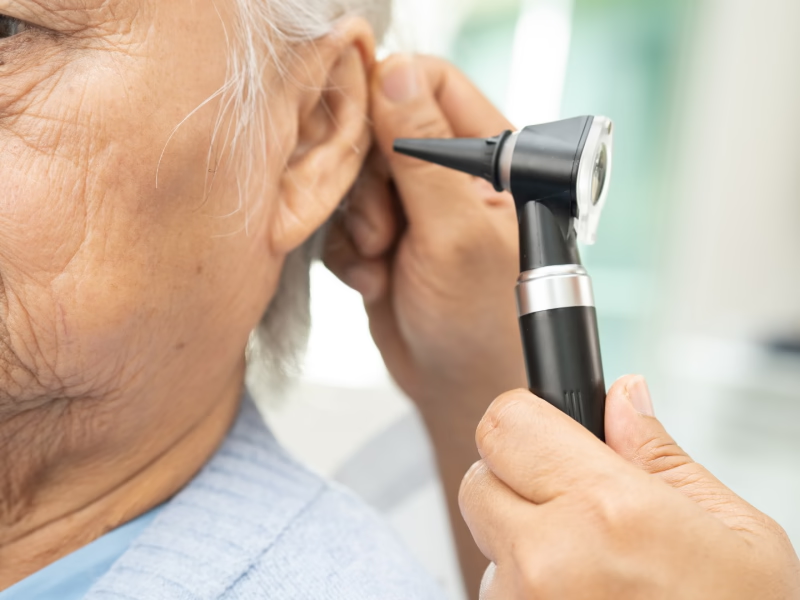
What is a digital or video otoscope exam, and why is it important?
A digital or video otoscope allows the audiologist to visually inspect your ear canal and eardrum using a tiny camera. This helps detect earwax buildup, infections, or other issues that may affect hearing, ensuring an accurate assessment and safe treatment planning.
How long does a hearing test take, and how often should I get tested?
A comprehensive hearing test typically takes 30–60 minutes, including tone and speech evaluations. Adults are generally advised to have a hearing test every two years, or sooner if they notice changes in their hearing.
Can I take a hearing test if I have a cold or ear infection?
It’s best to wait until your cold or ear infection clears. These conditions can temporarily affect hearing and may lead to inaccurate results. Your audiologist can advise the best time for testing.